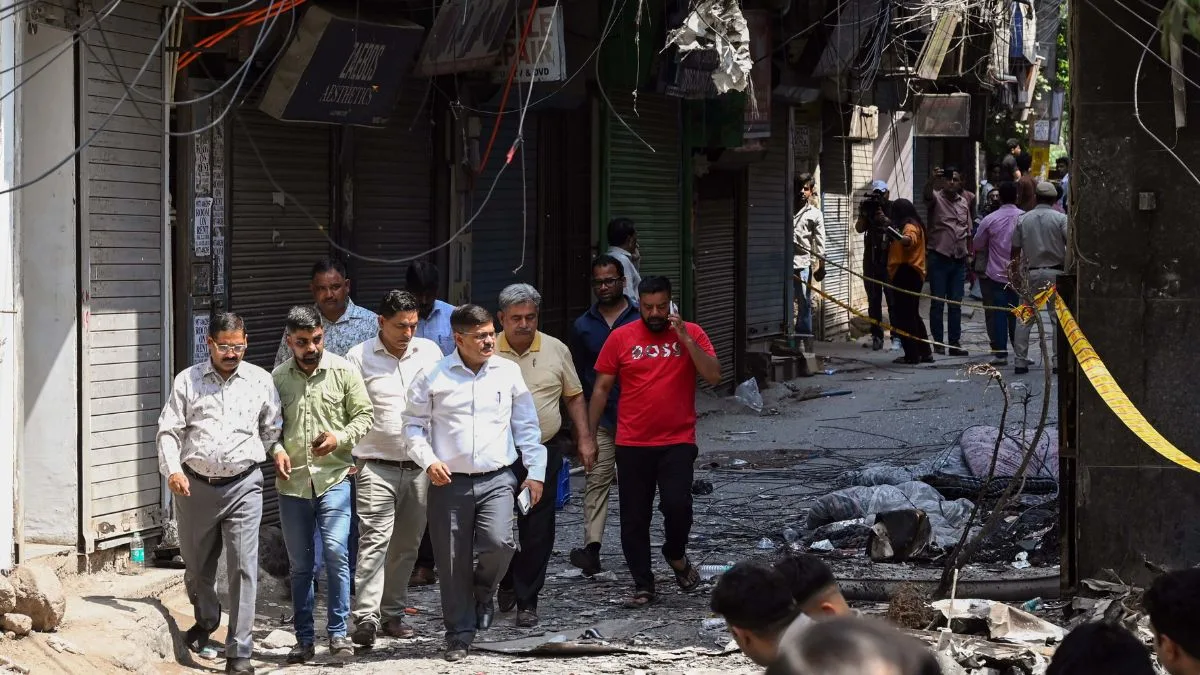
Barapullah phase 3 will be ready by June 30, says Verma after inspection of the project
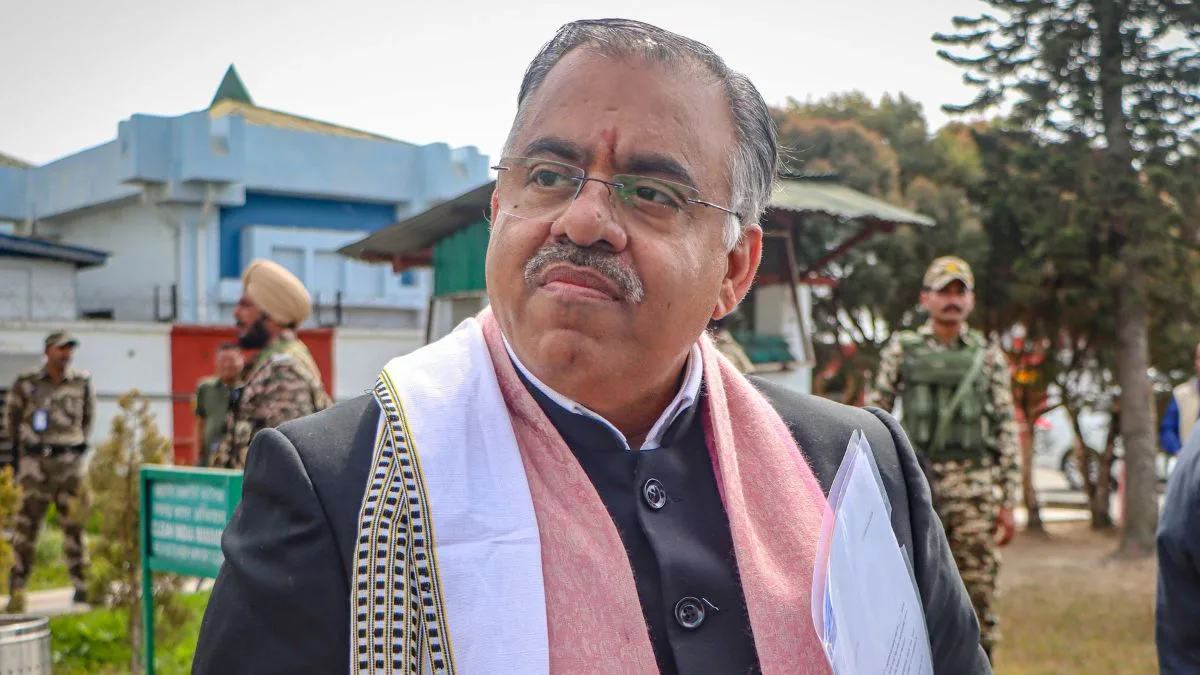
Delhi’s PWD Minister Parvesh Verma on Tuesday reviewed work at the Barapullah Phase- 3, one of the key road infrastructure projects in the city.
He said, “Our highways cannot run on outdated systems. Gantry-based tolling, ANPR cameras, RFID readers and FASTag integration will cut delays and improve transparency. Delhi must lead in adopting technology for efficient traffic management,” Verma added.





File Photo: IANS
Delhi’s Public Works Department (PWD) Minister Parvesh Verma on Friday chaired a UT-Level Coordination Committee meeting to address critical issues between the National Highways Authority of India (NHAI) and the Municipal Corporation of Delhi (MCD), and directed swift adoption of modern toll collection solutions, and identified bottlenecks on the important highways.
He said, “Our highways cannot run on outdated systems. Gantry-based tolling, ANPR cameras, RFID readers and FASTag integration will cut delays and improve transparency. Delhi must lead in adopting technology for efficient traffic management,” Verma added.
Advertisement
The gantry tolling refers to a system where the toll is collected electronically by a device placed on an overhead structure spanning above a road, which houses cameras, sensors etc, and collects vehicle data when it passes, this can also be called as open road tolling, where vehicles are not required to stop like at the conventional toll booths, which consumes more time.
Advertisement
The review led by the minister focused on decongesting traffic at toll plazas, resolving revenue disputes, introducing technology-driven tolling systems, and ensuring removal of obstructions, unauthorized advertisements, and waste dumping that slow down Delhi’s infrastructure progress.
The meeting was attended by senior officials from NHAI, Delhi Traffic Police, PWD, BSES, Delhi Jal Board, Environment Department, MCD, Revenue Department, and Power Department.
The Minister took stock of the traffic bottlenecks at Sirhol–Rajokri Border (NH-48), Delhi–Meerut Expressway (Package-I Toll Plaza), Badarpur Border (NH-19/44), Dwarka Expressway Toll Plaza near Bijwasan, and unauthorized obstruction at UER-II (Najafgarh–Bahadurgarh stretch).
These locations were identified as ‘critical choke points’ impacting both commuters and goods carriers.
The meeting also reviewed pending financial matters, including rent dues at Rajokri Toll Plaza, and the pending remittance of user fee collection at Badarpur elevated fee plaza.
With the matter being sub-judice, the Minister urged expeditious recovery.
“Public money cannot be locked in disputes or lost in inefficiency. Agencies must resolve all issues urgently. Every rupee collected belongs to the people and must be used for better roads, better facilities, and better services,” Verma stressed.
Regarding action on encroachments and waste dumping, the matter of unauthorized encroachments on UER-II near Najafgarh–Bahadurgarh road were taken up, with directions to MCD for immediate clearance.
The Minister also pulled up agencies over illegal dumping of waste material along Urban Extension Road-II, stressing that accountability must be fixed.
The Committee flagged large-scale illegal hoardings and advertisements below Mahipalpur Flyover (NH-48), along the Delhi–Meerut Expressway (NH-09), and the Delhi–Saharanpur stretch (NH-709B).
Similarly, the issue of MCD parking near Gandhi Nagar on the NH-709B elevated road was also raised in the review meeting.
The Minister directed strict enforcement to remove such encroachments from national highways, adding that, “Our roads are not for profiteering through unauthorized ads or parking. Highways must remain clear, safe, and functional for the public,” he asserted.
Specific concerns over Mahipalpur Flyover maintenance and the Badarpur Elevated Section of NH-02 were also discussed, and the minister directed urgent repair and upkeep measures.
The Committee also examined the issue of illegal sewerage connections into storm-water drains along national highways, which not only damage road infrastructure, but also worsen flooding during the monsoon.
Strict directions were issued to disconnect such connections and penalize violators at the earliest.
Advertisement